RPL Market
Initializing...
Bringing a new life into the world is one of the most profound journeys a woman can experience. While the focus during pregnancy is often naturally placed on preparing for the baby's arrival, it is equally vital to focus on the mother. Maternal wellness—both during pregnancy and throughout the postpartum period—forms the bedrock of a happy, healthy family.
The transition into motherhood involves massive physical, emotional, and hormonal shifts. To help you navigate this beautiful yet demanding phase with confidence, here is a comforting, expert-backed wellness guide tailored for expectant and new mothers.
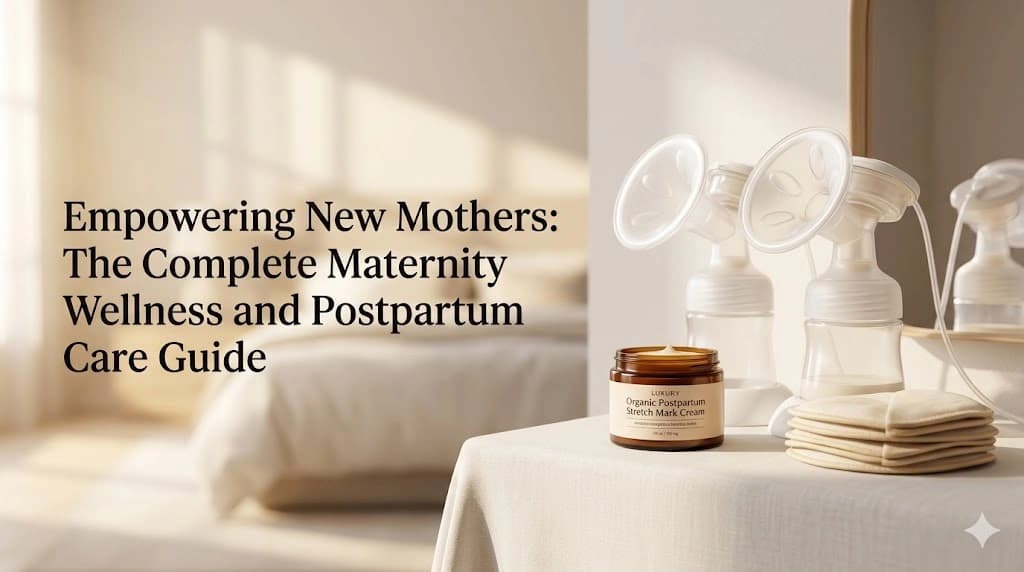
As your baby grows, your skin stretches to accommodate this wonderful new life. This rapid expansion can often lead to itchiness, dryness, and the appearance of stretch marks. Taking care of your skin isn't just about aesthetics; it is an act of self-care that helps you feel comfortable in your changing body.
Choose Safe Formulations: When selecting stretch mark creams or body oils, look for deeply hydrating ingredients like cocoa butter, shea butter, hyaluronic acid, and vitamin E.
Avoid Harmful Chemicals: Always read product labels carefully. Avoid products containing retinoids, salicylic acid, parabens, and phthalates, as these can be absorbed into the bloodstream and may pose risks during pregnancy and breastfeeding.
Consistency Matters: Apply your chosen cream or oil twice daily to your belly, hips, and thighs starting from the first trimester to maintain skin elasticity.
Whether you have a vaginal delivery or a Cesarean section (C-section), your body undergoes significant physical trauma during birth. The postpartum period—often called the "fourth trimester"—demands rest, patience, and deliberate healing.
The Golden Rule of Rest: Sleep when the baby sleeps isn't just an old cliché; it is a necessity. Your body requires immense energy to heal tissues, restore blood volume, and regulate hormones.
Gentle Movement: Avoid heavy lifting or strenuous exercise until you receive clearance from your doctor (usually around six weeks). However, short, gentle walks can promote blood circulation, improve mood, and prevent blood clots.
Pelvic Floor and Core Health: Once approved by your healthcare provider, incorporating gentle pelvic floor exercises (Kegels) can help restore bladder control and pelvic stability.
Feeding your newborn is an incredible bonding experience, but it can also come with its fair share of challenges, such as cracked nipples, engorgement, or supply issues. Modern maternity tools like electric breast pumps can significantly ease this transition, offering both comfort and flexibility.
Relieving Engorgement: When your milk first comes in, your breasts can become painfully full and hard. Using an electric breast pump for a few minutes before a feeding can soften the breast, making it easier for your baby to latch properly.
Building and Maintaining Supply: If your baby is having trouble latching or needs to spend time in neonatal care, pumping regularly stimulates milk production, ensuring your body continues to produce a healthy supply.
Shared Responsibility: Pumping allows you to store expressed breast milk safely. This means your partner or family members can assist with nighttime or scheduled feedings, giving you much-needed, uninterrupted windows of sleep to aid your recovery.
Postpartum recovery is not a race. It takes roughly a year for a woman’s body to fully recover from childbirth, so give yourself permission to heal at your own pace. Surround yourself with a supportive community, communicate your needs openly, and remember that taking care of yourself is the first step toward taking excellent care of your little one.
Would you like a professional banner design concept or an accompanying social media caption to go with this guide?