
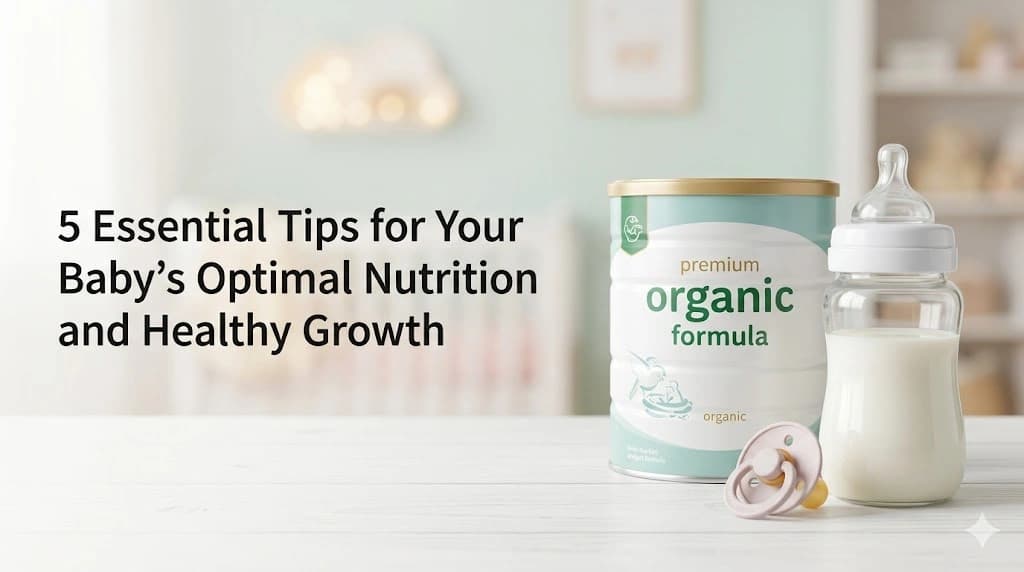
Welcoming a new baby into the world brings immense joy, along with a whirlwind of responsibilities. As a new parent, one of your top priorities is ensuring your little one gets the best possible start in life. The foundation for their lifelong health is built right now, through optimal nutrition, impeccable hygiene, and a safe environment.
Navigating the endless stream of parenting advice can feel overwhelming. To help you clear the noise, here is a practical, pediatric-focused guide featuring five essential tips to support your baby’s growth and well-being.
1. Opt for Organic Baby Formula (When Needed)
While breastfeeding is the gold standard for infant nutrition, many families rely on infant formula—either exclusively or as a supplement. If you are using formula, choosing a high-quality, organic option is a great way to minimize your baby's exposure to synthetic pesticides, growth hormones, and genetically modified organisms (GMOs). Look for formulas fortified with essential fatty acids like DHA and ARA, which are crucial for your baby's rapid brain development and sharp vision.
2. Master Proper Formula Preparation
Nutrient density matters immensely for a growing infant. Preparing formula incorrectly can either strain your baby's kidneys (if it's too concentrated) or lead to malnutrition (if it's too diluted).
Always wash your hands thoroughly before preparation.
Use boiled, cooled water to mix the powder.
Follow the manufacturer's instructions on the scoop-to-water ratio exactly.
Never use a microwave to warm the formula, as it creates dangerous hot spots that can burn your baby’s mouth; instead, place the bottle in a bowl of warm water.
3. Prioritize Glass Feeding Bottles and Strict Sterilization
Your baby’s immune system is still developing, making them highly susceptible to foodborne bacteria and infections.
Switch to Glass: Consider using high-quality glass feeding bottles. Unlike plastic, glass does not leach microplastics or chemical toxins when heated, and it is much easier to clean thoroughly.
Sterilize Regularly: Wash bottles, nipples, and rings in warm, soapy water after every feed, followed by a thorough sterilization process. You can use a dedicated electric steam sterilizer or simply boil the components in clean water for at least 5 minutes.
4. Decode Toddler Transition Milestones
As your baby approaches the 6-month mark, their nutritional needs begin to shift. While milk remains their primary source of calories, introducing solid foods is vital for meeting their rising iron and zinc requirements. Introduce single-ingredient organic purees (like mashed sweet potato, avocado, or iron-fortified rice cereal) one at a time. This slow introduction helps you easily identify and isolate any potential food allergies or sensitivities.
5. Create a Non-Toxic Sanctuary
Optimal health isn't just about what goes into your baby’s body; it’s also about what goes on it. A baby’s skin is incredibly thin and absorbs chemicals much faster than adult skin.
Read the Labels: Choose safe, non-toxic baby care products—including lotions, body washes, and laundry detergents.
Avoid the Nasties: Strictly steer clear of products containing artificial fragrances, parabens, phthalates, and sulfates. Keeping your baby’s environment free of harsh chemicals reduces the risk of skin eczema, respiratory irritation, and endocrine disruption.
Consistency Builds a Healthy Future
Every small decision you make—from the bottle you choose to the lotion you apply—adds up to a massive impact on your child's developmental journey. By prioritizing hygienic preparation, clean ingredients, and non-toxic products, you are setting up a flawless blueprint for your baby's healthy growth.
What is your biggest challenge right now when it comes to managing your baby's daily nutrition or feeding routine?